Protect Your Home With Quality Gutter Repair in Hackettstown
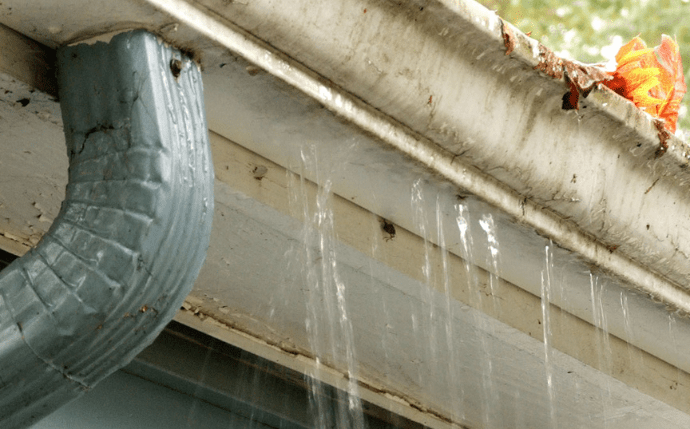

A gutter system does not get much attention until it stops doing its job. When it does, the effects can spread fast. Water overshoots the edge during a storm, mulch washes out, basement walls take on moisture, fascia boards begin to rot, and ice forms where it should not. In a place like Hackettstown, where homes see heavy spring rain, summer downpours, falling leaves in autumn, and freezing conditions in winter, gutters work hard for most of the year. Small failures rarely stay small for long.
That is why timely gutter repair matters. It is not just about making the roofline look neat. It is about protecting siding, trim, landscaping, foundations, walkways, and the structure itself from water that is no longer being controlled. Homeowners often assume gutters either work or they do not. In practice, there is a wide middle ground where the system is still attached to the house but already underperforming. That gray area is where repair becomes most valuable, because catching issues early is usually far less expensive than replacing wood, stabilizing soil, or dealing with interior moisture.
Why gutters matter more than most homeowners think
A roof sheds an enormous amount of water. On a moderate-sized home, even a single storm can send hundreds of gallons toward the perimeter. Gutters and downspouts are supposed to collect that runoff and move it safely away from the house. If the pitch is off, if seams are leaking, or if the downspouts are clogged or undersized, the water starts finding its own route.
That route is rarely harmless. I have seen homes where one failing corner gutter created a repeating wet spot beside the foundation for months. The owner thought the issue was minor because the basement stayed dry most of the time. What they did not see was the gradual settlement in that area and the deterioration of the exterior trim. By the time they called for help, the repair involved more than the gutter. There was fascia replacement, soffit work, and grading correction. The original gutter issue would have been simple.
Hackettstown homes vary quite a bit in age and style, which means gutter systems vary too. Older homes may have sections that were repaired in pieces over the years, sometimes with mismatched materials or improvised hangers. Newer homes might have long seamless runs but still suffer from clogs, improper downspout placement, or storm damage. The common thread is that water management has to be reliable in every season, not just when the weather is easy.
What usually goes wrong with residential gutters
Most gutter trouble starts with a few predictable problems. Debris buildup is the obvious one, especially after leaves and seed pods accumulate and trap water in the trough. But some of the more damaging issues are less visible from the ground. Fasteners can pull loose. Seams can open up. End caps can leak. Sections can sag just enough to hold standing water. Once that water sits, corrosion accelerates in metal systems and weight increases during cold weather.
Improper pitch is another frequent culprit. A gutter can look fine at a glance and still fail because the slope is too flat or runs the wrong way after years of movement. That leads to slow drainage, persistent overflow, and overflow staining on siding. If the downspout outlet is obstructed, the problem intensifies. Water backs up in the channel, spills over the front edge, and often dumps directly beside the foundation.
Winter adds a different layer of stress. Ice can force joints apart, warp sections, and put strain on brackets. In New Jersey conditions, freeze and thaw cycles expose every weakness. If a gutter already has trapped water because of debris or poor slope, freezing temperatures turn that water into weight and pressure. By late winter, a small alignment issue can become a detached run of gutter hanging off the eave.
Signs your Hackettstown home may need gutter repair
Homeowners often notice the dramatic signs first, a waterfall pouring over the side during rain or a loose section visibly drooping. But some of the best repair opportunities come from smaller clues.
Peeling paint near the roofline often points to repeated moisture exposure. Dark streaking on siding below a joint can signal a leak that has been active for a while. Soil trenches in flower beds beneath the eaves are another giveaway. So are puddles that form near the house even when grading seems adequate. Inside, a musty smell in a basement corner or slight dampness along the foundation wall can sometimes trace back to roof runoff that is not being directed away correctly.
One thing I tell homeowners is to watch the house during a real storm if it is safe to do so. A dry-day inspection is useful, but rain reveals the truth. You can see where water jumps the gutter, where it leaks at a seam, where a downspout backs up, and whether discharge is ending too close to the home. Those observations often make the repair scope much clearer than any ladder guesswork on a sunny afternoon.
Repair versus replacement, and where the line really is
Not every damaged gutter needs to be replaced. In many cases, a targeted repair restores full function at a reasonable cost. Refastening loose hangers, resealing leaking joints, correcting pitch, replacing an end cap, reattaching a downspout, or swapping out a damaged section can all make sense if the rest of the system is sound.
The decision gets more complicated when the system has multiple weak points. If the metal is heavily corroded in several places, if the profile is repeatedly pulling away from rotted fascia, or if the gutter size is inadequate for the roof area, patching can turn into repeated spending. There is also the issue of previous repairs. A gutter that has already been resealed two or three times along the same seam is telling you something. At that point, labor begins to outpace the value of another temporary fix.
A good contractor should be able to explain that trade-off without pushing replacement automatically. Sometimes the best answer is a phased approach. Repair the urgent sections now, stabilize drainage before the next storm cycle, then plan for full replacement later when budget and timing allow. That kind of judgment is often what separates quality Gutter Repair Hackettstown homeowners can trust from a quick patch that does not survive the season.
The local climate factor in Hackettstown
Gutter issues are never entirely generic. Local weather patterns and surrounding landscape matter. Hackettstown sees enough seasonal change that gutters have to perform under several distinct types of stress. Spring can bring prolonged rain, summer storms can dump water quickly, fall loads gutters with leaves, and winter challenges every seam and bracket.
Trees are a major factor in many neighborhoods. A house surrounded by mature maples or oaks may need much more frequent maintenance than a house with a clear roofline. Fine debris such as helicopter seeds and shingle granules can be just as troublesome as leaves because they settle into the low spots and harden into compacted sludge. That material blocks flow and can be difficult to remove once it dries.
Snow and ice matter too, but not always in the dramatic way people imagine. The bigger issue is often repeated freeze and thaw rather than one massive snow event. Water that remains in the gutter expands when frozen, then loosens components as it melts and moves again. Over time, that cycle stresses the entire assembly. A gutter that was merely aging in the fall can become a repair priority by February.
What quality gutter repair should actually include
A proper repair begins with inspection, not sealant. That sounds obvious, but many short-lived fixes happen because someone addresses the symptom instead of the cause. If a seam is leaking because the gutter is pitched incorrectly and holds water, resealing the seam alone will not solve much. If a section is pulling away because the fascia behind it is soft, simply adding screws can make the attachment look secure while the wood continues to fail.
A thorough repair usually looks at the gutter channel, hangers, seams, outlets, downspouts, elbows, extenders, and the condition of the fascia and soffit that support the system. It should also account for where the water ends up once it leaves the downspout. I have seen technically sound gutter repairs that still left homeowners with drainage trouble because the discharge terminated right beside a walkway or foundation corner.
Material compatibility matters as well. Mixing metals carelessly can accelerate corrosion. Using the wrong sealant can lead to premature failure. Fastener choice matters more than many people realize, especially in spots that face repeated wind exposure or ice load. Quality work tends to be unremarkable in the best way. The system looks clean, drains properly, and disappears into the function of the house instead of calling attention to itself during every rainstorm.
Common repair methods and how long they tend to hold up
Not all repairs have the same expected life. Rehanging a section with proper support can last many years if the gutter and fascia are otherwise in good condition. Resealing a minor seam leak can also be durable when the surrounding metal is stable and clean. Replacing a crushed downspout elbow is usually straightforward and effective.
By contrast, patching a rusted-out bottom section is often a shorter-term measure. Once corrosion has eaten through one area, nearby sections may not be far behind. The same goes for repairing gutters attached to deteriorated wood. The repair may hold briefly, but if the substrate keeps breaking down, the problem returns.
This is where experience matters. A homeowner deserves a realistic answer, not just an optimistic one. If https://telegra.ph/Skilled-Gutter-Repair-Hackettstown-for-Clogged-and-Broken-Systems-09-18 a repair is likely to buy only a season or two, that should be said clearly. There is nothing wrong with a temporary repair if the goal is to get through the immediate weather cycle safely. The issue is when temporary work is sold as a long-term solution.
The cost of waiting
Gutter problems have a way of spreading into other trades. What begins as a drainage issue can lead to carpentry, painting, masonry, waterproofing, or landscape repair. That is why delay becomes expensive even when the initial gutter defect seems modest.
Consider a leaking seam over a front entry. Water repeatedly wets the fascia and drips onto the trim below. Paint fails first. Wood fibers soften next. In colder months, that moisture can contribute to ice on the stoop. By the time repairs happen, the homeowner is not just paying for gutter work. They may also be repainting or replacing trim and addressing a slipping hazard.
The same pattern applies near foundations. Overflow that lands too close to the home may not flood a basement right away. Often it starts by saturating the soil, increasing splashback on siding, and creating damp conditions that attract insects. Months later, cracks widen, odors develop, or settlement becomes visible. Gutter repair is one of the few exterior maintenance tasks that can genuinely prevent several larger categories of damage.
How to choose the right contractor for gutter repair in Hackettstown
The best contractor is not necessarily the one who talks most confidently from the driveway. You want someone who inspects the full drainage path, explains what they see in plain language, and distinguishes between repairable issues and signs of broader failure. Local experience helps because homes in Hackettstown face recurring seasonal patterns and often share similar drainage challenges.
It is worth asking how the contractor handles pitch correction, what materials they use for resealing and fastening, and whether they inspect fascia condition before rehanging loose sections. Clear communication matters. If a crew finds hidden wood rot after taking down a damaged run, you want to know how they handle that and whether they coordinate the next steps or leave the homeowner to piece together the repair.
Good workmanship also shows in the small details. Downspouts should be secured neatly. Joints should not be overloaded with excessive sealant. Water should discharge away from the structure in a controlled way. The finished repair should solve the drainage problem without creating a new one at grade level.
Maintenance after repair, because even good work needs support
Once a gutter has been repaired, a little maintenance goes a long way. That does not mean constant attention. It means seasonal awareness. A system under heavy tree cover may need cleaning more than once in the fall. A home with fewer trees might do fine with less frequent service, but it still benefits from inspection after major storms and at the start of winter.
Here are a few practical habits that help repaired gutters stay in good shape:
- Check for overflow during at least one strong rain each season.
- Keep downspout outlets clear and direct water away from the foundation.
- Remove debris before winter so trapped water is less likely to freeze in place.
- Watch for new staining on siding or fascia after storms.
- Address small loosening or leaks early, before they spread.
None of that is complicated, but it is effective. Homes that stay ahead of gutter maintenance usually avoid the larger repair bills that come from neglect.
When gutter guards help, and when they disappoint
Gutter guards come up in almost every conversation about maintenance, and the truth is they are neither a miracle nor a gimmick. They can reduce cleaning frequency in the right setting, particularly where larger leaves are the main problem. They can also create a false sense of security if homeowners assume the gutters no longer need inspection.
The performance of guards depends heavily on roof slope, tree type, debris size, and installation quality. Fine seeds, pollen, and granules can still build up over time. Some guard designs also make it harder to notice developing problems beneath them. That does not mean they are a bad investment. It means they should be chosen for the property, not bought as a universal cure.
For homeowners seeking Gutter Repair Hackettstown professionals often advise solving the underlying repair issues first, then considering guards if the site conditions justify them. Installing guards over a poorly pitched or partially detached gutter does not improve the system. It only covers the flaw.
A well-repaired gutter system protects more than the roofline
One of the most satisfying things about quality gutter work is that the results are practical and immediate. Water flows where it should. Splashback decreases. Problem puddles disappear. The basement feels drier. The landscaping stops eroding along the drip edge. These are not cosmetic wins, though appearance usually improves too. They are signs that the home is handling weather the way it was meant to.
Home protection often comes down to ordinary systems doing ordinary jobs reliably. Gutters fall into that category. They are not glamorous, but they influence an impressive range of other building components. When they fail, the damage spreads quietly. When they are repaired properly, a lot of future trouble is prevented without much fanfare.
For Hackettstown homeowners, that makes gutter repair a smart form of preventive care. Not every issue calls for replacement, and not every repair should wait for obvious failure. A careful assessment, sound workmanship, and a clear understanding of how water moves around the property can make the difference between a simple repair and a much larger restoration project later. When the next hard rain arrives, the value of that work becomes obvious.
Just Gutters LLC
Address: 262 Main St, Hackettstown, NJ 07840
Phone number: +12013319454
FAQ About Gutter Repair Hackettstown
What is the average cost to repair gutters?
The average cost to repair gutters is about $390, with most jobs ranging from $120 to $900 depending on the damage. You can explore detailed data and estimates on Angi.
Can I repair a gutter myself?
Yes, you can easily repair most common gutter problems yourself if you are comfortable working on a ladder.
How much does it cost to repair a leaking gutter?
The average cost to repair a leaking gutter ranges from $75 to $350. Most homeowners spend around $150 to $250 to hire a professional to patch small holes or reseal leaking joints. If the damage is severe and requires replacing entire sections, the price can increase from $300 to $800.